
Manufacturer coverage explained
Golf Cart Warranty Information
Every new cart we sell comes with the manufacturer’s golf cart warranty, and terms vary by brand and model. Used cart coverage varies too, so ask us about the specific cart.
- Financing with approved credit
- Trade-ins welcome
- Delivery across Northeast Ohio

Call or text
(330) 752-8570
Understanding Your Golf Cart Warranty
A golf cart warranty is the manufacturer’s promise to repair or replace covered parts that fail because of a defect during a set period. Your golf cart warranty is one of the most important things to understand before you buy, because coverage differs from one brand, model and battery type to the next.
At Custom Carts we sell new and used gas, 48V electric and lithium golf carts in Northeast Ohio. On new carts, the warranty comes from the manufacturer, not from Custom Carts, and its terms are set by that manufacturer. On used carts, coverage depends on the age of the cart and whether any factory coverage remains, so it varies from cart to cart.
This page explains how a typical golf cart warranty is structured, what it usually covers and excludes, how battery warranties differ, and what to do if something goes wrong. It is a general guide, not a statement of any specific policy. Always read the written warranty for your exact cart.
Questions about a particular cart in our shop? Call or text (330) 752-8570 and we will tell you what we know.
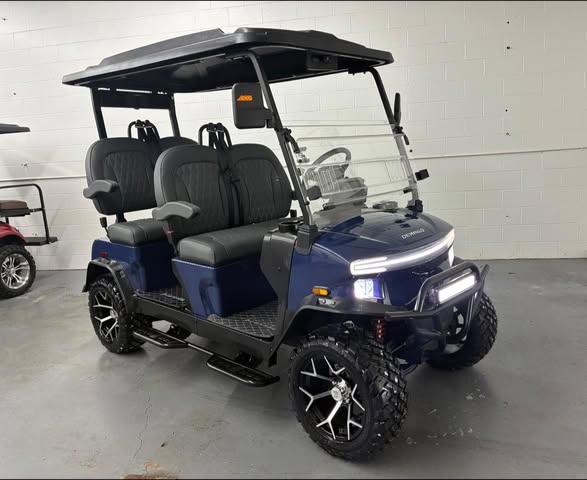
What a Golf Cart Warranty May Cover
Coverage is set by each manufacturer, but most new-cart warranties are built around a few common areas. Check your written terms for the details.
Manufacturing Defects
A golf cart warranty is designed to address defects in materials or workmanship. Normal wear and damage from use generally fall outside that coverage, so the written terms matter.
Battery Coverage
Many lithium carts carry a separate battery warranty, often longer than the cart coverage. Denago listings, for example, note a 2-year cart warranty and an 8-year battery warranty.
Electrical Components
Controllers, motors, chargers and wiring may be covered for defects under many new-cart warranties. Which parts are included, and for how long, depends on the brand and model.
Drivetrain and Powertrain
On electric carts this may include the motor and related parts; on gas carts, the engine and transmission components. Coverage lengths can differ from the rest of the cart.
Registration and Records
Some manufacturers ask owners to register the cart or keep proof of purchase. Keeping paperwork organized helps if you ever need to use your golf cart warranty.
Terms That Vary
Length, covered parts, transferability and claim steps all vary by manufacturer. Read the written warranty for your cart, and ask us if anything is unclear before you buy.
Cart Warranty vs. Battery Warranty
On many modern electric carts, especially lithium models, the golf cart warranty is split into two parts: coverage for the cart itself and a separate warranty for the battery pack. The two often have different lengths and conditions.
| Cart type | Typical warranty structure | What to confirm |
|---|---|---|
| New Denago lithium carts | Our listings note a 2-year cart warranty and an 8-year battery warranty | Exact terms and conditions from Denago |
| Other new lithium carts | Manufacturer cart warranty plus a separate battery warranty on many models | Length of each, and battery conditions |
| New gas carts | Manufacturer warranty on the cart and powertrain, terms by brand | Engine and drivetrain coverage periods |
| Used carts | Varies: some newer carts may have remaining factory coverage, others none | Ask us about the specific cart |
Why battery warranties are separate
The battery is one of the most valuable components in an electric cart. Manufacturers often back lithium packs with their own warranty, sometimes with conditions tied to charging practices, capacity or use. Some ICON listings in our inventory, for example, note a factory warranty alongside a longer battery warranty. Confirm the details for the exact unit you are considering.
To learn more about how lithium packs compare with lead-acid batteries, read our guide to lithium golf cart batteries.
What a Golf Cart Warranty Usually Does Not Cover
Knowing the exclusions is just as important as knowing the coverage. While every manufacturer writes its own terms, most golf cart warranty documents exclude some version of the following:
- Normal wear items: tires, brake pads, wiper blades, bulbs, seat covers and similar parts that wear with use.
- Routine maintenance: oil changes, filters, battery watering on lead-acid carts, and adjustments.
- Accident or impact damage: collisions, rollovers and damage from striking objects.
- Misuse or neglect: overloading, improper charging, submerging the cart, or ignoring maintenance.
- Unauthorized modifications: some aftermarket changes can affect coverage on related parts.
- Environmental damage: flood, fire, storm and similar events, which are typically a matter for insurance.
- Cosmetic changes over time: fading, minor scratches and weathering.
Some warranties also have conditions around commercial or rental use. If you plan to use your cart for business, ask before you buy.

New Cart Warranty Coverage by Brand
We carry new carts from Denago, ICON, Epic, Edge EV, Coco, Trailmaster, NIU, Tara, Teko and Verdi, plus pre-owned carts from EZGO, Club Car and Yamaha. Each manufacturer sets its own golf cart warranty terms, and terms can change from one model year to the next.
The most reliable sources are the written warranty that comes with your cart and the manufacturer’s own website. For example:
When you are comparing new carts, ask for the warranty details on each one. Two carts with similar prices can have quite different golf cart warranty coverage, and that difference may matter more over time than a small price gap. Our guide to golf cart brands can help you compare.
Used Golf Cart Warranty Coverage
A used golf cart warranty is a different story from new-cart coverage. Coverage on pre-owned carts varies widely, so the honest answer is always the same: ask us about the specific cart.
Remaining factory coverage
Some newer used carts may still be within the manufacturer’s original warranty period. Whether that coverage transfers to a second owner depends on the manufacturer’s rules. We can tell you what we know about the cart’s history, and you can confirm with the manufacturer.
Older used carts
Many older used carts no longer have factory coverage. That does not make them a bad buy. A well-maintained EZGO, Club Car or Yamaha can offer great value, but you should understand what is and is not covered before you buy.
Ask before you buy
Ask about battery age, recent service, and what coverage, if any, applies. Our used golf cart checklist covers what to inspect, and you can browse used golf carts in stock.

How to Use Your Golf Cart Warranty
If something goes wrong, a calm, organized approach gets the fastest result. Here is what we recommend.
01
1. Stop and document
If you notice a problem, stop using the cart if it is unsafe. Write down what happened, when it started, and take photos or a short video of the issue.
02
2. Gather your paperwork
Find your bill of sale, the written warranty, the serial number and any maintenance records. Many claims require proof of purchase and the cart’s details.
03
3. Contact us or the manufacturer
Call or text (330) 752-8570 or email info@customcarts.com and we will help you understand next steps, or contact the manufacturer directly as your warranty directs.
04
4. Follow the claim process
The manufacturer decides whether a repair is covered under its golf cart warranty terms. Follow their instructions for diagnosis and repair, and keep copies of all communication.
Protect Your Golf Cart Warranty With Good Maintenance
Many golf cart warranty terms expect the owner to follow the manufacturer’s maintenance and charging guidance. Good habits keep your cart running well and help keep your golf cart warranty in good standing.
For electric and lithium carts
- Use the charger supplied with the cart or one the manufacturer approves.
- Follow the recommended charging routine, including before winter storage.
- On lead-acid carts, check water levels and keep terminals clean.
- Avoid leaving batteries fully drained for long periods.
For gas carts
- Change the oil and filters at the recommended intervals.
- Use the correct fuel type and keep the air filter clean.
- Check belts, brakes and tire pressure regularly.
Keep records
Save receipts and notes for every service, even small ones. If a warranty question comes up, documentation showing you cared for the cart is valuable. Our golf cart maintenance guide walks through the basics season by season.

Lift Kits, Accessories and Your Warranty
Customizing a cart is half the fun. Lift kits, bigger wheels, light bars, sound systems and seating upgrades can transform how a cart looks and feels. Before you modify a new cart, though, check how the change could affect your golf cart warranty.
Manufacturers treat modifications differently. Some changes may have no effect, while others, especially electrical or drivetrain modifications, could affect coverage on related parts. Factory-installed options and accessories are generally treated differently from aftermarket parts added later.
Before you modify
- Read the warranty section on modifications and accessories.
- Ask whether the part is approved by the manufacturer.
- Keep receipts showing what was installed and when.
- Consider professional installation for electrical or suspension work.
Many carts we sell already come with lift kits, lighting and other upgrades. Ask us how those fit with the warranty on a specific cart. You can also browse our lifted golf carts.
Golf Cart Warranty Differences: Gas, Electric and Lithium
The power type of your cart shapes what a golf cart warranty focuses on. Understanding the differences helps you compare carts fairly.
Gas carts
For gas carts, the key components are the engine, fuel system and transmission. A golf cart warranty on a new gas cart often addresses these along with the frame and electrical parts, with terms set by the brand. Regular oil changes and filter service are usually the owner’s responsibility.
48V lead-acid electric carts
Lead-acid batteries are typically treated as a wear item with shorter coverage, if any, because their life depends heavily on charging and watering habits. The motor, controller and charger may be covered separately. Our gas vs. electric guide explains the ownership differences.
Lithium carts
Lithium carts are where battery coverage really stands out. Many manufacturers back their lithium packs with a dedicated battery warranty, often measured in years rather than months. When you compare lithium carts, look at both the cart and battery terms together, not just the price.
Winter Storage and Your Warranty in Ohio
Northeast Ohio winters are hard on any vehicle, and golf carts are no exception. Storing your cart properly during the off-season protects both the cart and your golf cart warranty, since many terms expect you to follow the manufacturer’s storage guidance.
- Charge before storing. Follow the manufacturer’s instructions for lithium or lead-acid batteries, including any recommended storage charge level.
- Keep it dry. A garage, shed or covered space helps prevent moisture and corrosion.
- Treat the fuel. For gas carts, follow the owner’s manual on fuel stabilizer or draining.
- Check in periodically. Look the cart over during winter and top up the charge if the manual recommends it.
Battery damage caused by long periods of neglect, such as a pack left fully drained all winter, may not be covered. A few minutes of preparation in the fall can save a lot of trouble in spring.
Keep Your Warranty Paperwork Organized
When a golf cart warranty question comes up, the owner with organized paperwork usually gets the quickest answer. Set up a simple folder, paper or digital, the day your cart arrives.
- Bill of sale showing the purchase date and cart details
- The written manufacturer warranty, plus the separate battery warranty if there is one
- Serial number and, for lithium carts, any battery pack identification
- Registration confirmation, if the manufacturer requires it
- Service receipts and notes, including charging or storage steps
- Receipts for accessories or modifications
A quick photo of each document on your phone is a smart backup. If you ever sell the cart, organized records can also help a buyer understand what coverage, if any, remains.
New Lithium Carts With Manufacturer Coverage
Many of our new lithium carts include a manufacturer cart warranty plus a separate battery warranty. Terms vary by brand and model, so ask for the details.
-
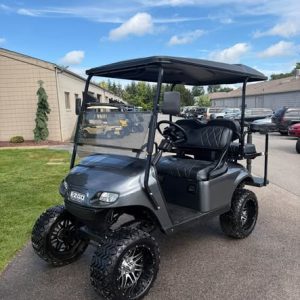
E-Z-GO TXT Lithium Electric Golf Cart – Gunmetal Gray, Lifted, Samsung Battery
$5,400.00 -

E-Z-GO TXT Lithium Golf Cart – Red, Lifted, Custom Rebuild
$5,700.00 -

Denago Rover XL Lithium Golf Cart – Black, Lifted, Street Legal
$10,995.00 -

Denago Rover XL Lithium Golf Cart – White, Lifted, Street Legal
$10,995.00 -

Denago Nomad XL Lithium Golf Cart – Navy Blue, Lifted, Street Legal
$9,995.00 -

Denago Nomad XL Lithium Golf Cart – Gray, Lifted, Street Legal
$9,995.00 -
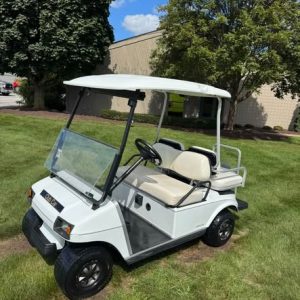
Club Car DS Lithium Golf Cart – White, Lithium Conversion
$2,200.00 -

Denago Rover XL Lithium Golf Cart – Navy Blue, Lifted, Street Legal
$10,995.00
Questions to Ask Before You Buy
The best time to understand a golf cart warranty is before you sign. Use this list when comparing carts, whether new or used:
- Who provides the warranty, and where can I read the full written terms?
- How long is the cart covered, and how long is the battery covered?
- What parts are included, and what is excluded?
- Are there conditions, such as charging practices or required maintenance?
- Do I need to register the cart with the manufacturer?
- Does the warranty transfer if I sell the cart later?
- For a used cart, is any factory coverage remaining?
- How do I start a claim, and who performs warranty repairs?
We will answer what we can and point you to the manufacturer for anything we cannot confirm. If you are financing, you can review warranty details alongside your terms. See our financing page for how that process works with approved credit.
Golf Cart Warranty FAQs
Do your new carts come with a golf cart warranty?
New carts come with the manufacturer’s warranty. Terms vary by brand and model, so ask us for the details on the cart you are considering.
Is the warranty from Custom Carts or the manufacturer?
New-cart warranties are provided by the manufacturer, and the manufacturer’s written terms apply. We are happy to help you understand them.
What warranty comes with Denago carts?
Our Denago listings note a 2-year cart warranty and an 8-year battery warranty. Confirm the complete terms with Denago for your specific model.
Do used golf carts have a warranty?
It varies. Some newer used carts may still have factory coverage, while many older carts do not. Ask us about the specific cart before you buy.
Does the battery have its own warranty?
On many lithium carts, yes. The battery warranty is often separate from, and sometimes longer than, the cart warranty. Check the terms for your model.
Will a lift kit void my golf cart warranty?
It depends on the manufacturer, the modification and your golf cart warranty terms. Some changes may affect coverage on related parts. Read the warranty and ask before modifying.
Can I transfer my warranty if I sell the cart?
Transferability is set by the manufacturer. Some warranties transfer to a new owner and some do not. Check your written terms.
How do I make a warranty claim?
Document the issue, gather your bill of sale and serial number, then contact us at (330) 752-8570 or info@customcarts.com, or the manufacturer as your warranty directs.
Does the warranty cover tires and brakes?
Wear items like tires and brake pads are usually excluded from a golf cart warranty, but check your specific terms.
Does storing my cart over winter affect the warranty?
Improper storage, such as leaving batteries fully drained for months, can lead to damage that may not be covered. Follow the manufacturer’s storage and charging guidance to protect your golf cart warranty.
Who performs warranty repairs?
That depends on the manufacturer’s process. Some repairs are handled through authorized service providers or directly with the manufacturer. Contact us first and we will help you understand the right next step for your cart.
Do I need to register my cart?
Some manufacturers ask owners to register the cart or keep proof of purchase. Follow the instructions included with your warranty.
Questions About a Golf Cart Warranty?
Call or text (330) 752-8570 or email info@customcarts.com. Tell us which cart you are considering, and we will share what we know about its golf cart warranty coverage.